







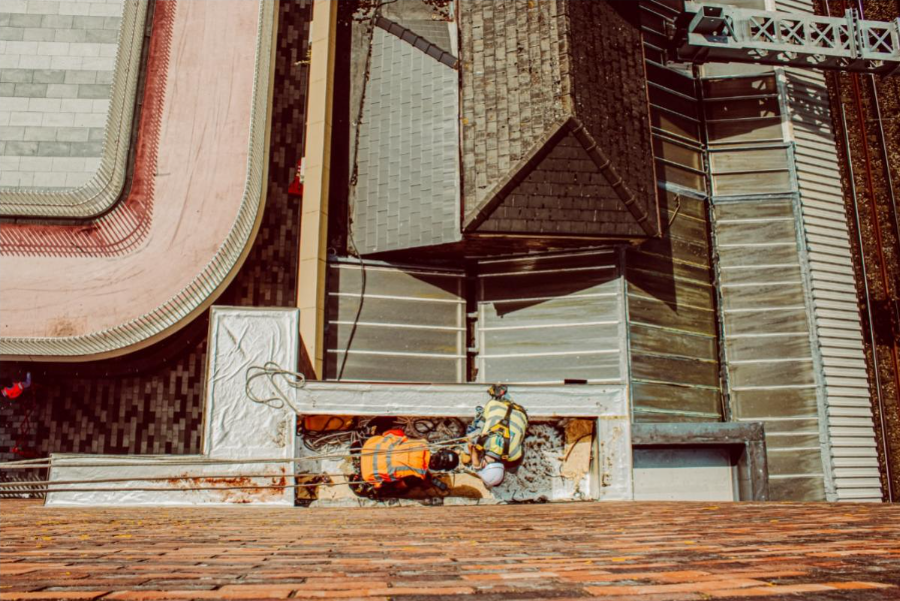
Facilities and estates managers are frequently asked to approve repairs on buildings they cannot fully see. You’re accountable for façade and roof risk, but much of it sits out of sight and often fails at the worst possible time.
Critical areas—high façades, roof interfaces, glazing systems and structural details—are often difficult to access and therefore difficult to inspect properly.
Without clear evidence of the root cause of a defect, decisions become reactive. Temporary patch repairs are approved, leaks return, and the same issues resurface months later—often with higher costs and increased operational risk.






















For estates teams responsible for keeping buildings safe, compliant and watertight, the ability to properly access and inspect these areas is essential.
You need evidence you can trust, safe delivery you can explain, and a service partner who won’t patch and disappear.
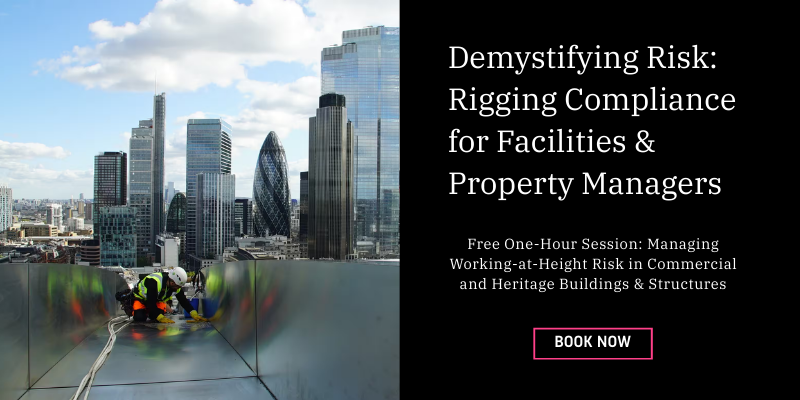
The Challenge of Inspecting Hard-to-Reach Buildings and Structures
The parts of a building most likely to fail are often those that are least visible or hardest to access. These include: ·
- High-level façade systems
- Roof interfaces and parapets
- Glazing assemblies and gaskets
- Structural connections and wall ties
- Coatings, corrosion protection systems and cladding details
When these areas are missed or poorly assessed, hidden defects can develop into significant issues, including:
- Water ingress and internal damage
- Façade safety risks
- Compliance failures
- Accelerated lifecycle deterioration
- Repeated reactive maintenance costs
Traditional inspection methods are not always practical on complex buildings, heritage structures, high-rise estates or operational facilities. As a result, facilities teams may be forced to rely on limited visual assessments or incomplete information.
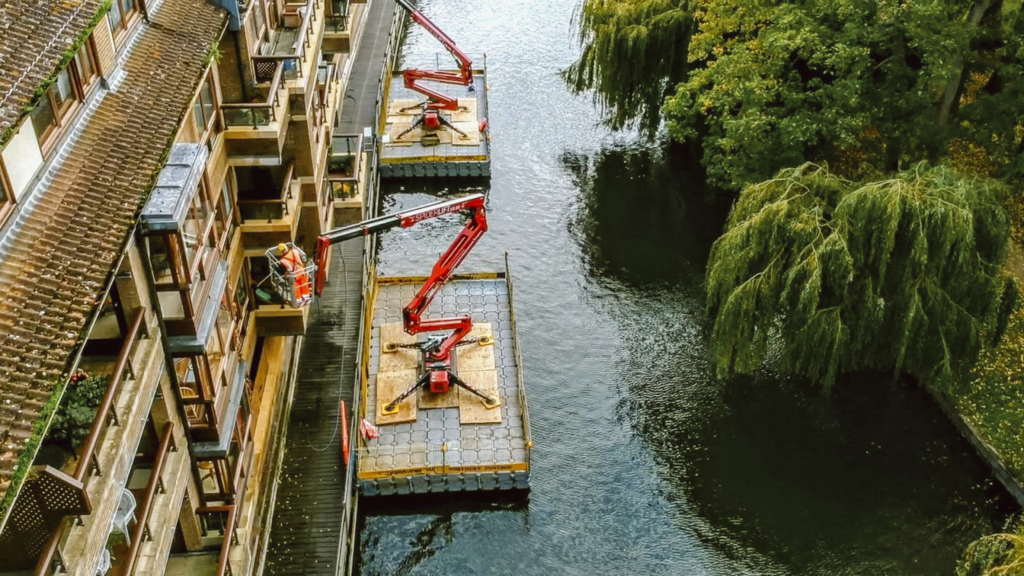
Accessing What Others Cannot
Building Transformation provides specialist access and inspection services designed specifically for complex or difficult-to-reach structures.
Detailed reports, supported by advanced defect-mapping software and photographic evidence, enable facilities managers to make informed decisions based on verified inspection data.
Rather than relying on a single access technique such as scaffolding, each project is approached using the most appropriate combination of methods based on the building type, risk profile and operational constraints.
These may include:
IRATA rope access (abseiling) – As IRATA International members, rope access provides a safe, efficient and versatile method for inspecting or repairing high-level façades with minimal disruption.
Cradle systems and MEWPs – Used where clients prefer cradle access or where site conditions limit rope access.
Scaffolding and mast climbers – Used selectively where required, ensuring disruption to the estate is minimised and budgets are focused on repair rather than access infrastructure.
This flexible approach enables safe and controlled access to critical elements across a wide range of buildings and structures, including:
· Steel bridges
· Concrete towers
· Aircraft hangars
· Historic stone and masonry buildings
· Commercial office towers and estates
· Complex façade systems including curtain walling and cladding
· Glazed façades and atriums
The result is a comprehensive condition survey that reaches areas many traditional inspection methods cannot.
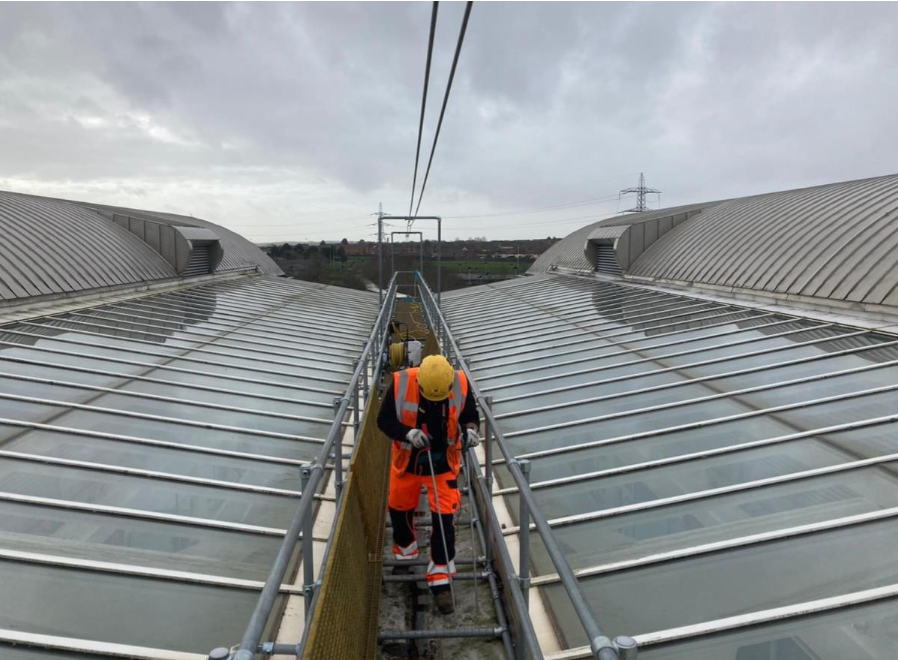
Evidence-Led Condition Surveys
Access alone is not enough. The value for facilities teams lies in obtaining clear technical evidence about what is happening within the building envelope.
Building Transformation conducts detailed specialist investigations, including:
· Wall tie investigations
· Gasket defect mapping
· Borescope sampling of concealed cavities
· Asbestos assessments
· Corrosion and coating condition surveys
· Industrial coating and paint sampling for chemical analysis
Where laboratory testing is required, samples are analysed through UKAS-approved laboratories, ensuring results meet recognised technical and compliance standards.
Defects are mapped using advanced inspection software, supported by photographic evidence and clear reporting. This evidence-based approach allows facilities managers to move beyond assumptions and make decisions based on verified data.
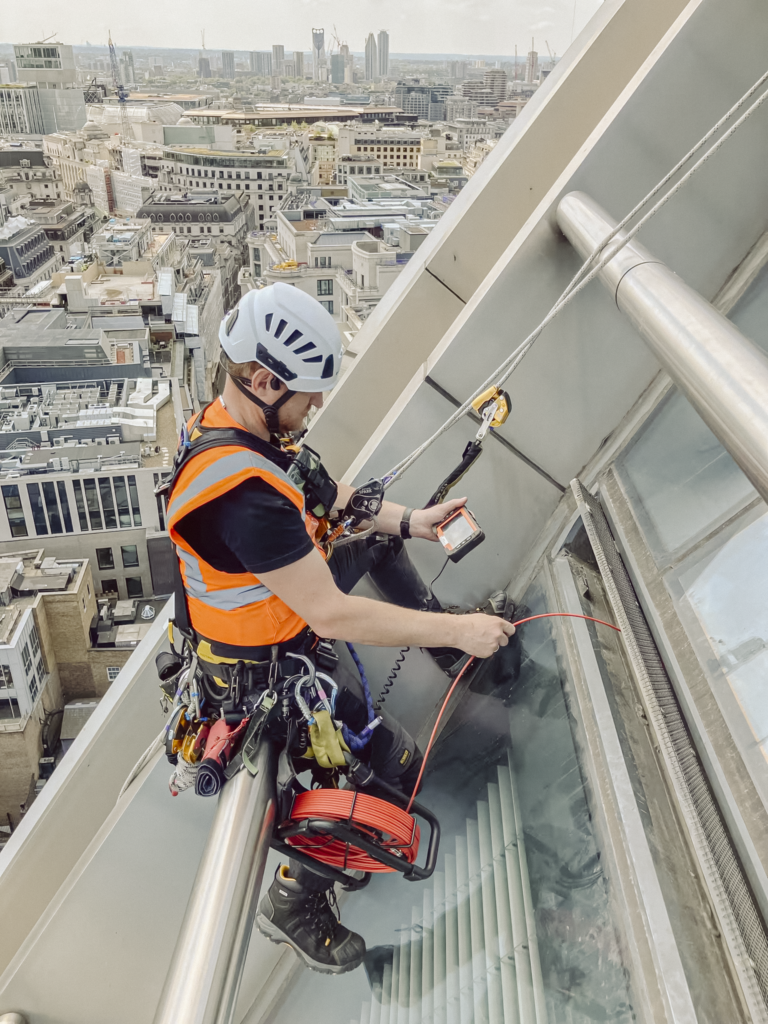
From Inspection to Resolution
Many inspection providers focus solely on surveys, leaving facilities teams to coordinate repairs separately.
Building Transformation operates as a building-envelope partner, providing a complete process from access through to repair and maintenance. We access, survey, diagnose and fix façade and roof issues, then help you plan maintenance, so the building remains safe and watertight.
Instead of reacting to recurring issues, facilities teams gain a prioritised plan supported by clear reporting and fewer contractors to coordinate.
The typical workflow includes:
· Access planning and safety management with project-specific RAMS
· Specialist inspection and testing of the building envelope
· Evidence-led reporting, including defect mapping and prioritised recommendations
· Targeted repair solutions addressing the proven root cause
· Ongoing maintenance strategies to prevent recurrence
This integrated approach reduces the likelihood of repeated failures and improves long-term asset performance.
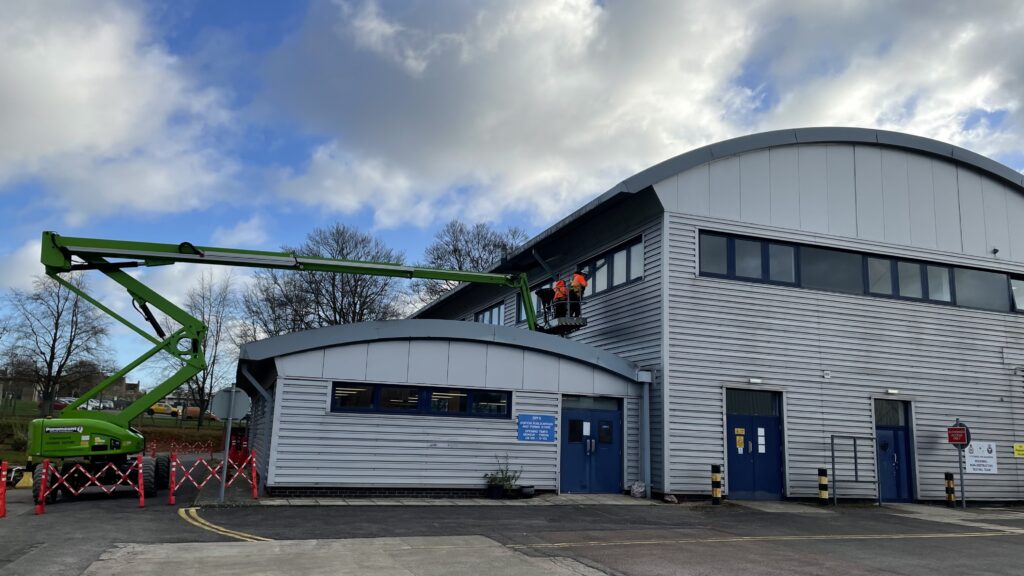
Supporting Confident Decision-Making
Facilities managers are responsible for maintaining safe, compliant buildings while controlling operational costs. That responsibility becomes significantly easier when decisions are supported by reliable inspection data.
With clear reporting, prioritised actions and verified causes of defects, estates teams can:
· Approve repairs with confidence
· Avoid unnecessary or ineffective work
· Reduce recurring leaks and façade failures
· Plan maintenance based on evidence rather than assumptions
Your Eyes on the Building
Building Transformation helps facilities managers see what is really happening on their buildings—especially where access is difficult.
By combining specialist access methods, technical inspection expertise and evidence-based reporting, the service provides:
· Accredited, safety-led delivery with job-specific planning
· Comprehensive defect mapping and prioritised recommendations
· End-to-end service from inspection to repair and maintenance
· Proven experience on complex and sensitive sites including commercial estates, heritage assets, high-rise buildings and MOD facilities
For facilities teams responsible for keeping façades and roofs watertight, the ability to access the right areas, identify the real cause of defects and act on clear evidence makes the difference between reactive maintenance and effective building management.
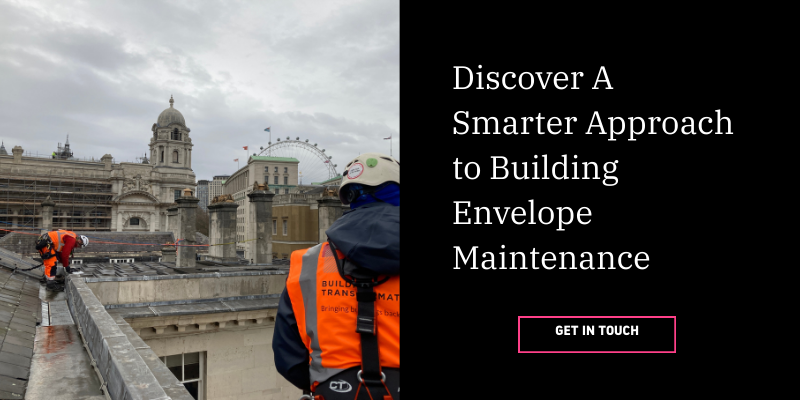
For more information, please visit: https://landing.buildingtransformation.co.uk/services/contact-us.html










Why One Triaxial Test Result Is Never Enough