








With temperatures climbing above 33 degrees in late May, organisations are being encouraged to rethink how they approach summer cooling. Rather than relying on emergency callouts when systems fail, a growing number of businesses are turning to HVAC hire as part of planned operational resilience.
Businesses most likely to be affected include:
- Office-based businesses
- Warehousing and logistics operators
- Manufacturing and industrial sites
- Retail environments
- Healthcare and care settings
Cross Rental Services, the UK and Ireland’s specialist in HVAC and refrigeration hire, is encouraging organisations to take a more planned approach to cooling ahead of further periods of high temperatures. Growing awareness of the role cooling plays in maintaining safe working conditions, protecting equipment and supporting employee wellbeing is prompting a rethink across sectors.





















- Plan cooling provision in advance
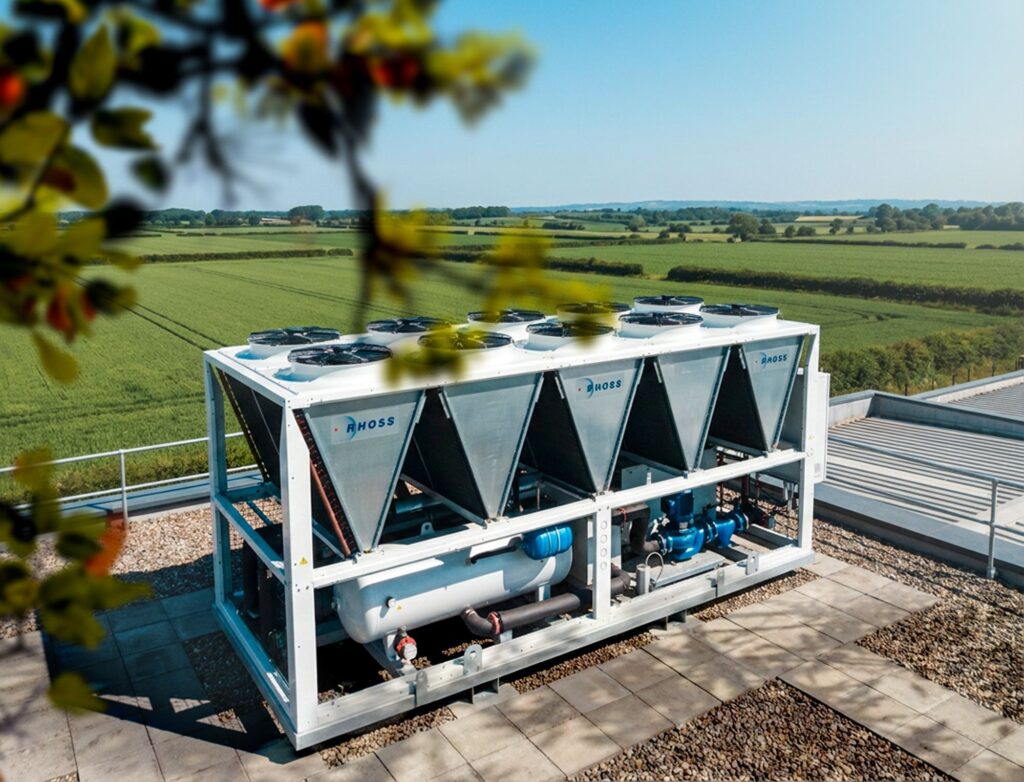
Cooling hire is often treated as a reactive measure, brought in when temperatures rise and systems are already under strain. In the air conditioning and chiller market, this typically means a sudden surge in demand, limited availability and reduced time to respond effectively.
With warmer weather arriving less predictably and the potential impact of El Niño increasing pressure on supply, forward planning is becoming more important. Securing equipment in advance helps avoid last minute constraints and ensures sites are properly assessed before installation. This is already reflected in the market, with hire periods starting earlier and running for longer, as organisations look to stay ahead of changing seasonal patterns.
- Choose the right solution for each space
Preparing early gives businesses time to assess what type of cooling is most suitable. For office environments, this may involve split air conditioning units or a range of portable units to keep the workplace cool.
Evaporative coolers provide a flexible alternative, requiring only a standard power supply and water. For warehouses and production areas, ducted systems and chiller support will be required to ensure even, controlled cooling across the site.
- Carry out site assessments before peak demand
Early planning also allows for proper specification of equipment. Site surveys carried out in advance ensure cooling systems are matched to the size, layout and occupancy of each space, reducing the risk of underperformance during prolonged heat. Acting early also helps organisations avoid delays or limited availability when demand rises quickly.
Kevin Cooper, Chiller Director at Cross Rental Services, said: “Recent high temperatures have shown how quickly conditions inside a building can become difficult to manage. Waiting until that point puts pressure on both systems and people.”
He added: “Planning cooling in advance gives organisations far more control. It allows the right equipment to be in place, properly installed and supported, rather than relying on what is available at short notice.”