








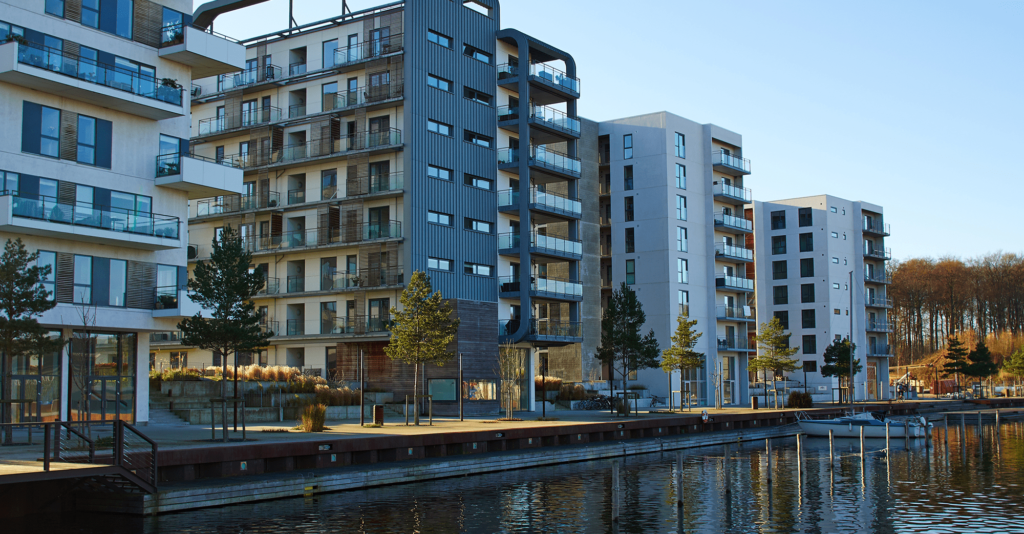
The European property investment landscape is experiencing a fundamental structural transformation. Findings from the Colliers Property Services EMEA Capital Markets Snapshot for Q2 2026 reveal that residential property has eclipsed office spaces for the first time in history, claiming the title of Europe’s most active investment category.
Although overall market activity stays relatively steady, capital is increasingly zeroing in on high-performing, operationally intensive assets. Second-quarter data highlights a wider departure from conventional single-asset sales, with investors instead favoring structured capital deals, joint ventures, and corporate platforms to secure scale.
Surge in Alternatives and Living Sectors
The traditional reign of office real estate has been challenged by skyrocketing institutional demand for residential properties and alternative asset classes.






















- Living Sector Leadership: Driven by heavy capital inflows into build-to-rent concepts, co-living spaces, and scalable platforms, residential real estate secured the top position despite persistent valuation divides between buyer bids and seller price expectations.
- Record Highs for Alternatives: Senior living and data center investments hit historic peaks in Q2. These milestones are fueled by structural growth drivers, specifically surging requirements for digital infrastructure and demographic-driven demand for specialized housing.
- Hotel Sector Strength: Hospitality assets continue to deliver stellar results, supported by persistent leisure travel demand and dedicated hotel investment funds.
Performance Across Asset Classes
- Offices: Market sentiment is slowly recovering, with investor attention strictly focused on core-plus assets that present clear opportunities for value creation through leasing strategies and refurbishment.
- Industrial & Logistics: Solid occupier demand and steady rental growth continue to anchor the sector. Even so, transaction activity is restricted by a lack of available stock and elevated building expenses.
- Retail: Liquidity remains heavily concentrated in defensive, income-generating formats like grocery-anchored centers and retail parks, which offer reliable yields and low structural risk.
Outlook for the Second Half of 2026
The market trajectory for H2 points toward steady, incremental improvement rather than rapid acceleration. Real estate fundamentals shine brightest in supply-constrained areas, where prime rental increases help balance out higher debt and construction costs.
While abundant capital remains ready to deploy, investors are maintaining a sharp focus on assets that demonstrate clear operational strength and tangible potential for value creation.